Pricing Ban Exempts Times Square, Where Everyone Is Visibly a Tourist
 AI illustration
Manhattan — The Council bill letting consumer regulators fine businesses $1,000 per surveillance pricing violation carves out the blocks around Duffy Square, ruling a fanny pack is not personal data. Broadway's $131 average seat was certified 'not surveillance, just eye contact.'
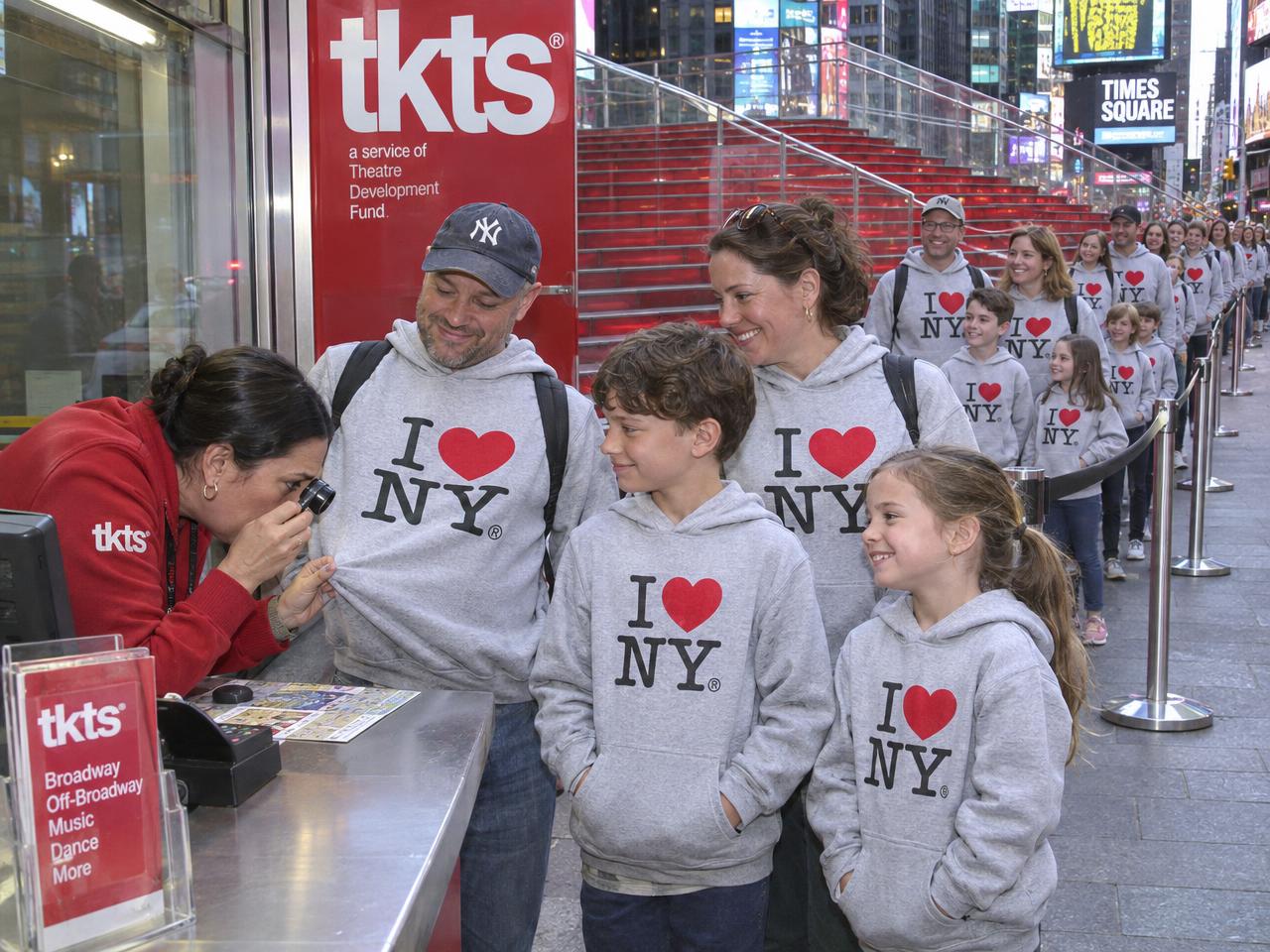
The exemption was drafted by the Council's Committee on Consumer and Worker Protection in the same session that produced the carve-outs for buy-one-get-one promotions and veterans and student loyalty programs. Committee staff said the Times Square provision was added after a single question from a staffer, who asked how the city would know a customer had been surveilled in the first place. The staffer was told that no collection was needed. Visitors in Times Square can be identified by their posture, their maps, and their habit of stopping in the middle of Seventh Avenue to photograph the billboards, a behavior the committee described as a visible indicator of tourism rather than a data point. "We didn't want to regulate what the sidewalk already knows," said Gerald Ostrowe-Blum, the Department of Consumer and Worker Protection's Assistant Commissioner for Pricing Visibility. "Nobody needed an algorithm to find them. They were wearing the fanny packs."
The Department's draft definitions, circulated to the Council on Tuesday, list the categories of visible indicators exempt from the $1,000-per-violation penalty. They include fanny packs worn across the chest, I-heart-NY sweatshirts in any season, and "standing still for more than ninety seconds on Seventh Avenue while looking up." The definitions were adopted after a two-hour hearing in which no tourist was asked to attend. The Broadway League, which Jason Laks leads, submitted written testimony that the word "premium" should be understood as a feeling rather than a dataset, and that the Department should not attempt to measure it. The Department agreed. Asked whether a feeling could be fined, Ostrowe-Blum said it could not, and that this was the purpose of the exemption.
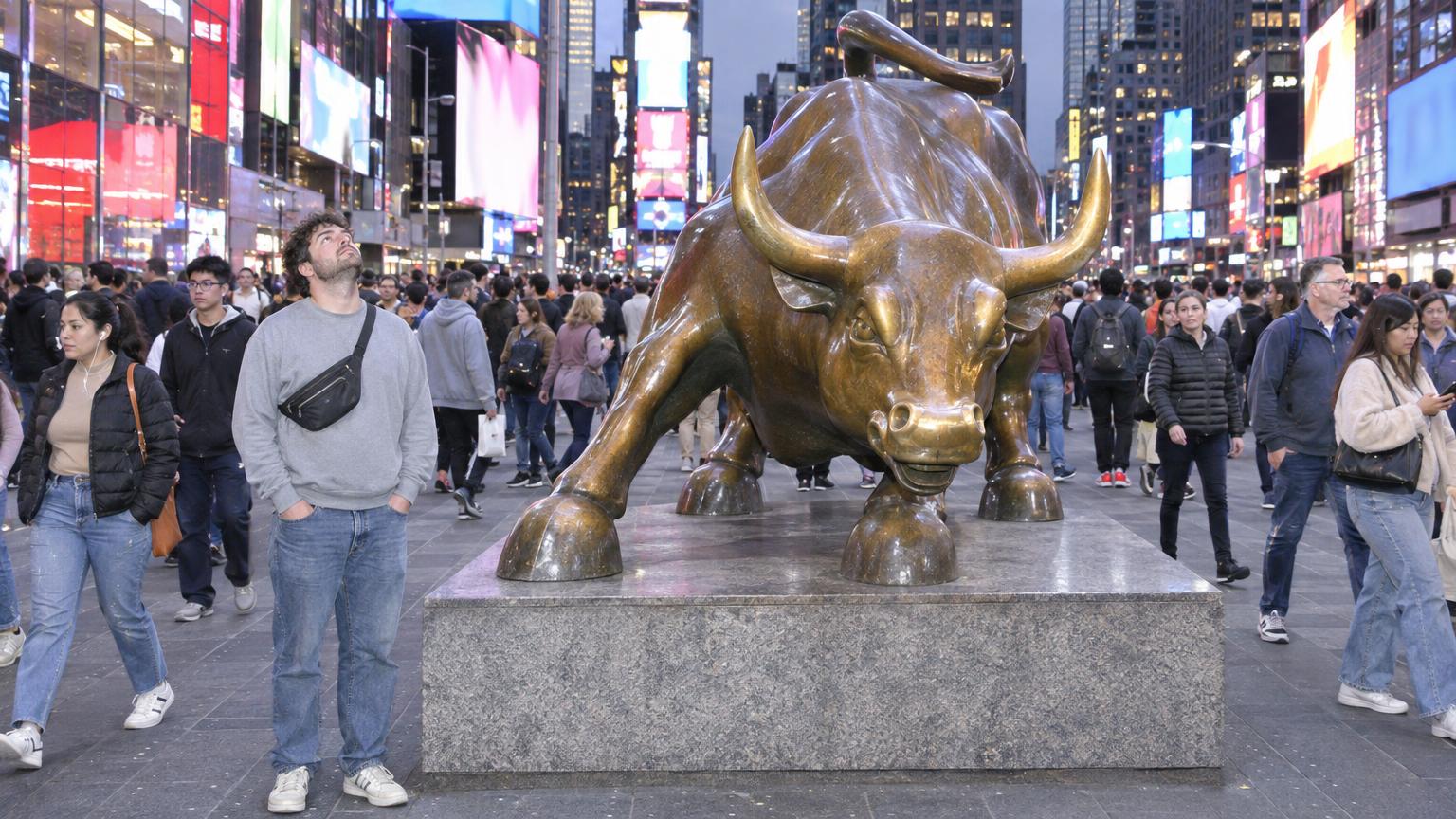
Visible indicators, as documented at the Duffy Square site.
The Broadway industry closed its 2025-26 season with a record $1.91 billion in gross, on attendance that fell 0.6 percent to 14.6 million. The average seat sold for about $131, according to the League's own figures. Laks has said the record reflects demand rather than price, and that the industry employs more than 100,000 people. Under the new bill, the League's pricing would be exempt in Duffy Square, where a spokesperson said the market for a single ticket is set by the first person in line at the TKTS booth to lose their nerve. Locals who stand in that line describe a different pricing system, one that asks only that a buyer be patient enough to wait for a rush ticket. "Broadway has been surveilling us for years," said one Upper West Side resident who has queued for the lottery since 2019. "Nobody needed to ask what I could pay. They just watched me wait."
The Council will vote Thursday on a second, narrower amendment exempting the TKTS stairs from the bill's definition of a public place. The amendment's sponsor, Council Member Carl Wilson, said the stairs are identified by their silence. "You can spot a New Yorker on those steps by the fact that they are not taking pictures," Wilson said. "That is not data collection. That is just looking." The amendment would require no further action from the Department, which has already classified the stairs as a non-identifying location. Ostrowe-Blum said the stairs were the only place in Midtown where a local would willingly stand in line, and that exempting them was the least the city could do.
Speaker Julie Menin has endorsed the bill as drafted, including the Times Square exemption, and has said the Council will take it up Thursday. The Department's penalties of up to $1,000 per violation would apply everywhere else in the city, including the Port Authority bus terminal and the theater district's side streets. Small businesses would have a corrective-action period before fines apply. Asked whether the exemption set a precedent for pricing on the rest of Manhattan, Ostrowe-Blum said the Department would consider it. "The seats are already set," he said. "We're just deciding who gets to look at them for free." The Council is expected to vote Thursday. The 2025-26 season grossed a record $1.91 billion on 0.6 percent fewer seats. ■
But seriously…
The joke above is built on a real story. Here's the straight version.
Does the surveillance-pricing bill apply to Broadway tickets in Times Square?Get the straight answer →