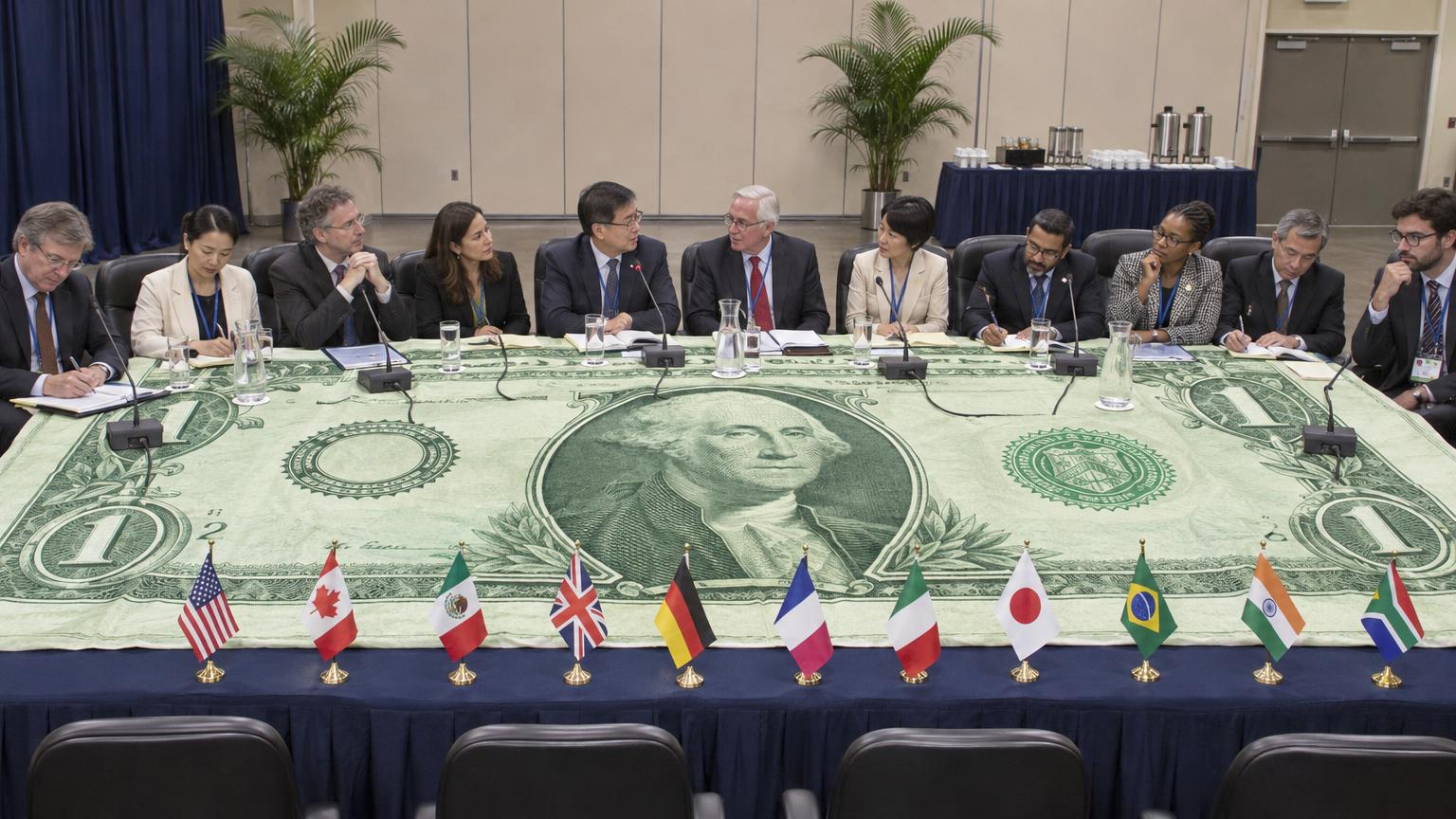
'No Party' Leads Japan Polls, Declines to Form Government
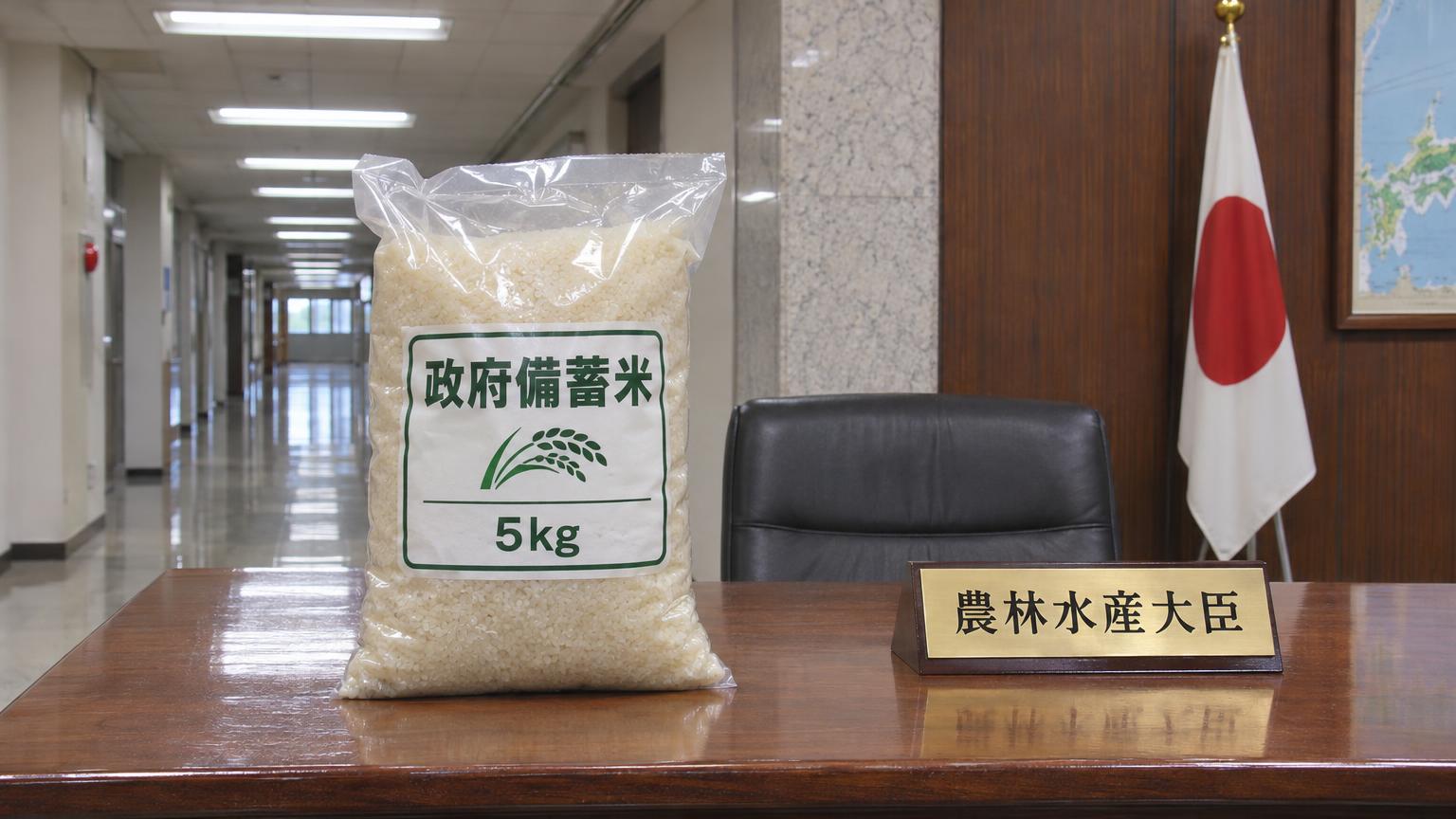
AI illustration
Japan — With 41% of Yomiuri respondents backing no party against the LDP's 34%, 'No Party' is Japan's most popular political force outside Nagatachō. It has refused every coalition offer, including one from the new opposition party polling at zero.
Yomiuri's October survey found that 41 percent of respondents backed no party at all, against 34 percent for the Liberal Democratic Party, which holds two-thirds of the lower house on the strength of 36.72 percent of the proportional vote cast in February. Political analysts said the figure confirmed what the Kantei has long suspected: the largest group in the country is the one that did not show up to be counted. "We take the number seriously," said Ichirō Hayakawa, a senior fellow at a Tokyo political research institute, who was unable to name a single policy the bloc supported. "It is the only constituency that has never once been disappointed by a Diet session." The 'No Party' platform is blank, its leadership is unfilled, and its spokesperson has declined to be identified. Asked whether the party would accept the coalition invitation the LDP extended this week, a statement attributed to its press office said: "We remain open to not being consulted." The LDP's offer followed the same logic it used with Ishin, which joined the coalition in October 2025 and received its first cabinet seat in September.
Who Japan Would Vote For, If Asked Properly
Yomiuri Shimbun national poll, mid-October 2026
No party
Largest single category
41 %
LDP
Holds 316 of 465 seats
34 %
Sanseitō
15 seats in February
5 %
Democratic Reform Party
Launched September 2026 with 18 lawmakers
0 %
Methodology note
The poll was conducted with a ballot that did not include the option of not voting. The 'No Party' figure has been reproduced exactly as recorded.
The 'No Party' Front Bench · the cast
TAP A NAME
Party LeaderLeader
Secretary-GeneralSecretary-General
Policy ChiefPolicy Chief
SpokespersonSpokesperson
Nihon Ishin no KaiFormer partner
Quote
“We remain open to not being consulted.”
Unnamed spokesperson, 'No Party'
Statement issued by the party's press office in response to the LDP coalition offer
Why this lands
The party treats its own absence as a negotiating position, and has yet to explain what it would be negotiating for.
Lower house general election, February 8, 2026 (simulated)
7 OPTIONS · FILL ONE
FILL ONE OVAL, THEN CAST
Which party do you support?
Turnout in February was about 56 percent, which means the LDP's two-thirds majority rests on roughly a fifth of eligible voters, while the bloc that declined to vote is by Yomiuri's count the largest in the country. The Democratic Reform Party, the newest opposition force, has registered zero support in both the Yomiuri and Nikkei polls. Its leader, Junya Ogawa, has proposed a merger with the 'No Party' bloc, a proposal the bloc has also declined to consider. A merger would leave the combined party still at zero, a figure that the party's strategists describe as "a foundation." The Kantei has not commented.
Multiply 36.72 percent by 56 percent and the result is 20.6 percent, the share of eligible voters who gave the LDP its supermajority. The Yomiuri figure for the party that did not stand is 41 percent of respondents. Election officials have said the two numbers are not directly comparable, because one is a poll and the other is an election, and because nobody has yet been asked to vote for the bloc that did not run. At the next election, the bloc is expected to win the largest share of the electorate again by declining to take part, and the LDP is expected to win two-thirds again with the votes of the people who did. ■
But seriously…
The joke above is built on a real story. Here's the straight version.

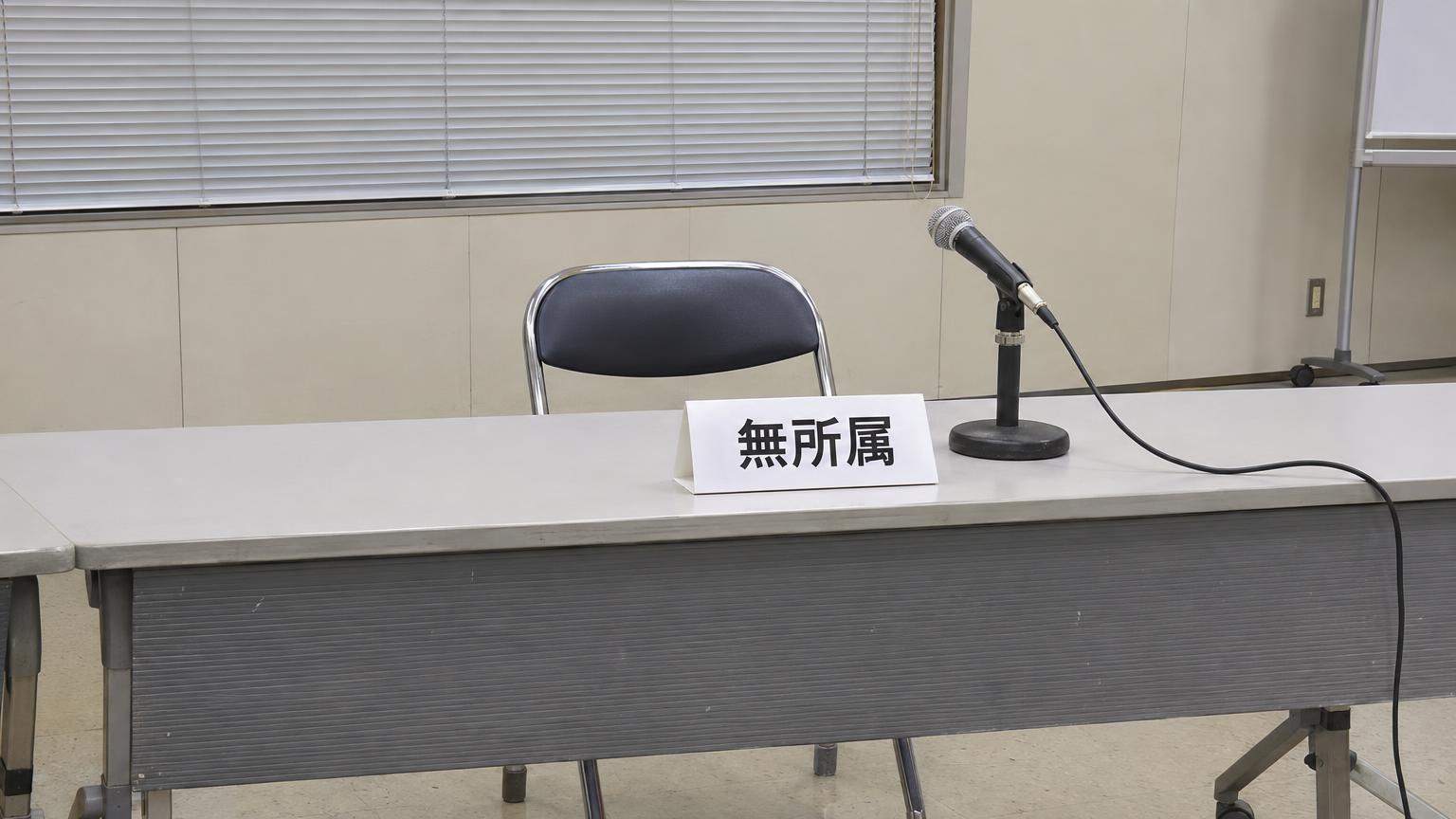 AI illustration