Land of the Free ($0)
Federal Judge Rules Tax of Zero Dollars Invalidates Gun Registration Law
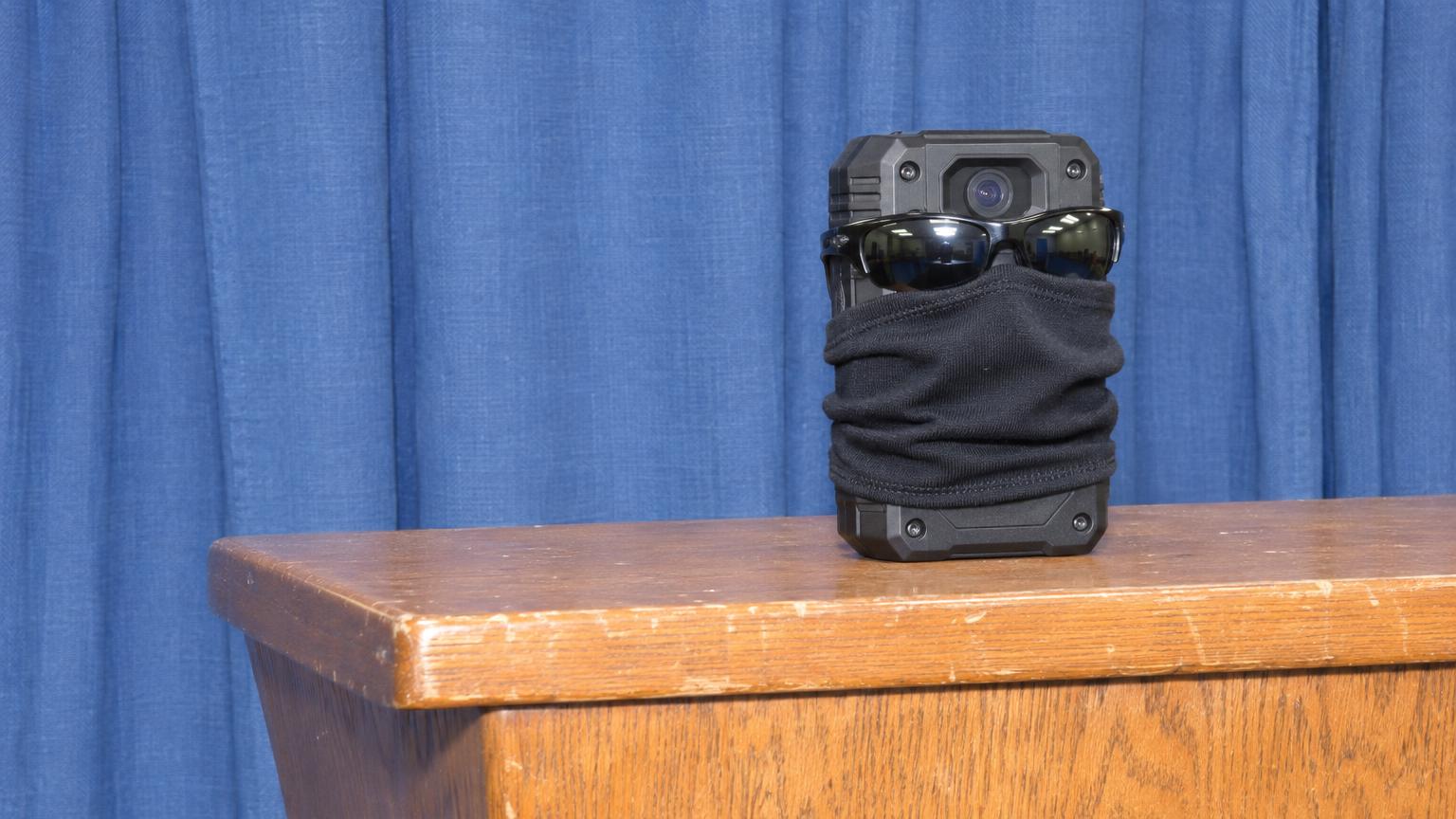
 AI illustration
United States — A federal judge found that with the tax set at $0, the 1934 National Firearms Act lost its legal basis, and the ATF now calls registration 'voluntary.' The original stamp was $200 and was never indexed to inflation, so the law was already nearly free before anyone repealed it.
Federal tax stamp to own a short-barreled shotgun, 1934
THEN · 1934$200
ACTUAL, TODAY$0
CHANGE×0.0
The price fell about 100% over 92 years. Congress never indexed the stamp to inflation, then finished the job with a zero.
Prices in USD, as given; the change is computed from the two prices, not adjusted for inflation.
Frequently Asked
ATF Guidance: Registration Under a $0 Tax
Registration remains available. The bureau encourages owners to register in the same spirit as signing a guestbook.
Your payment is on file and was appreciated. The ruling does not address money the government already has.
Those records are under review. They may be grandfathered, ungrandfathered, or kept as historical documents of a time when the tax cost something.
Then the bureau would have a law again.
But seriously…
The joke above is built on a real story. Here's the straight version.
Did Congress setting the NFA tax stamp to $0 make gun registration under the National Firearms Act unenforceable?Get the straight answer →