AI Companies Fill SoMa Office Space by Hiring 340 Workers to Replace 12,000 Jobs
SoMa — San Francisco's office vacancy rate dropped to 27.7% in Q3 2026 from 36.9% a year earlier, driven by AI company leases in SoMa. The new tenants, building job automation technology, celebrated the recovery while acknowledging their hiring represents less than 3% of jobs lost when previous tenants departed. 'We're thrilled to be part of SoMa's comeback,' said Anthropic, noting the company's focus on developing AI systems that can perform tasks currently done by human workers.
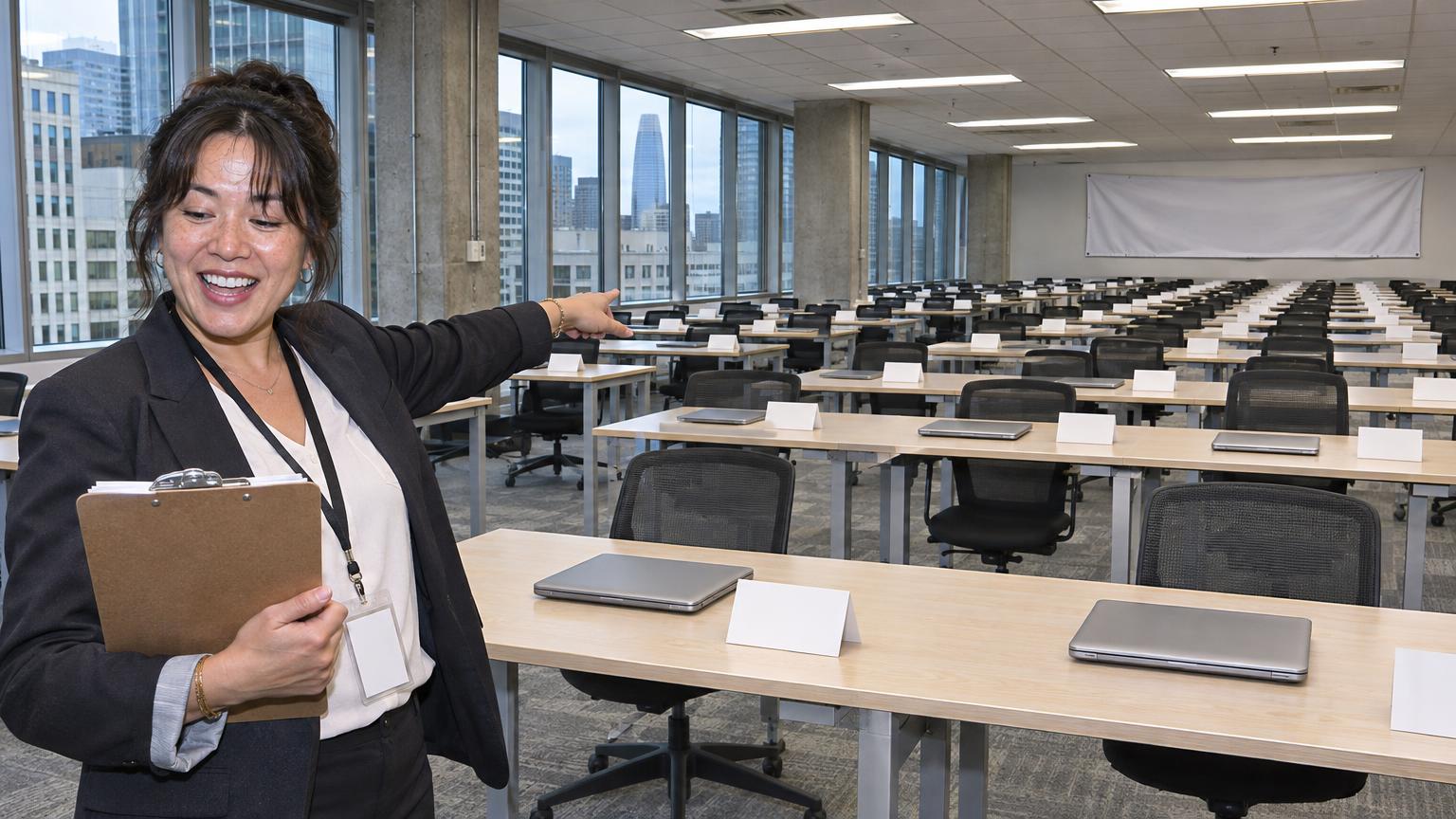
The 340 hires are the number the leasing brochures lead with. The number they leave off is 12,000, the jobs that walked out of the Central SoMa Plan corridor when the last round of tenants went remote, and which the brochures describe, when pressed, as legacy occupancy. Brokers at the three Brannan and Berry Street buildings said the comparison is unfair because the 12,000 left over several years and the 340 arrived in a single quarter. The 340 were hired this year; the 12,000 are not coming back, and the new tenants are not hiring them.
Net absorption
27.7%
San Francisco office vacancy rate, Q3 2026
↓-9.2ppsince Q3 2024
Context
Down from 36.9% in Q3 2024, eight straight quarters of positive net absorption, and rents 14.3% below their 2020 peak. The new occupants are leasing Class A space at 270 Brannan, 333 Brannan and 185 Berry to build software for the work the old occupants did.
For scale
At that pace, the lobby of 333 Brannan is full by the time the work it houses is not.
Q3 2026 San Francisco office market data
Memo
BB
Brannan & Berry Leasing Partners
Ready-to-occupy since before you asked
To:
All Tenant Relations Staff
From:
Dana Okafor-Prill, Senior Vice President of Occupancy Narrative
Date:
November 17, 2026
Re:
Approved language for the SoMa recovery
Per this quarter's leasing results, staff should use the following terms when speaking with press and prospective tenants.
Terminology:
•The new tenants create jobs. Do not say how many, or what the jobs are for.
•The 12,000 positions that left are a prior cycle. Do not call them lost; lost implies someone is looking.
•The tenants' product is workflow modernization. If asked what it modernizes, refer the question to the tenant.
•Eight consecutive quarters of positive absorption is momentum. Do not extend the line past 2028.
The vacancy rate is the number we are measured on. It is not the number anyone is hired on.
Warmly,
Dana Okafor-Prill, Senior Vice President of Occupancy Narrative
Anthropic, whose lease at 300 Howard anchors what landlords call AI Alley, said in a statement that it was thrilled to be part of SoMa's comeback. The statement described the company's focus as building AI systems that can perform tasks currently done by human workers, and added that the company looked forward to filling more of the neighborhood. Dana Prill, the leasing firm's Director of Foot-Traffic Reconciliation, said the two goals were compatible. "Every one of those systems has to run somewhere with good power and a lobby," Prill said. "The lobby is ours."
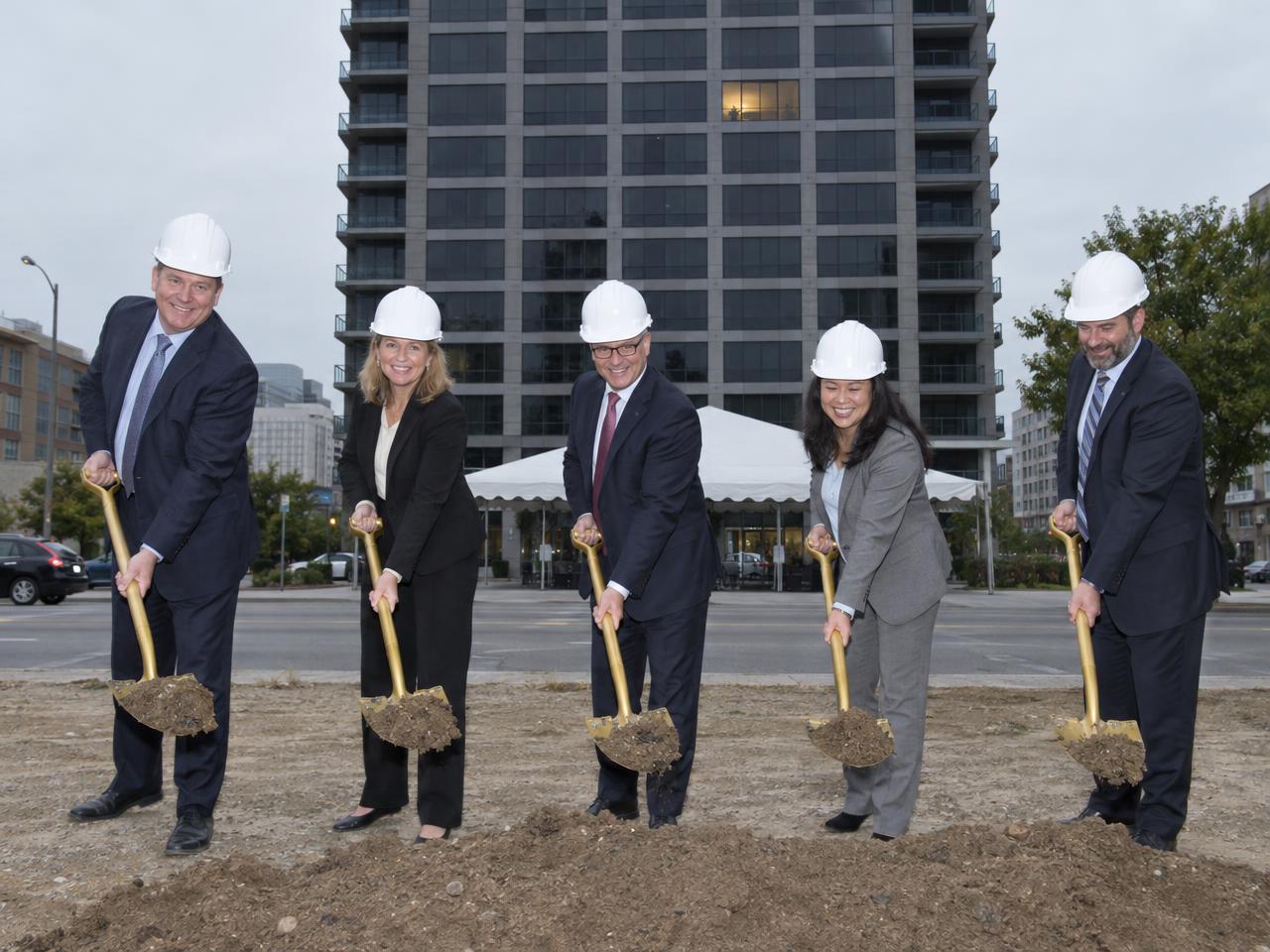
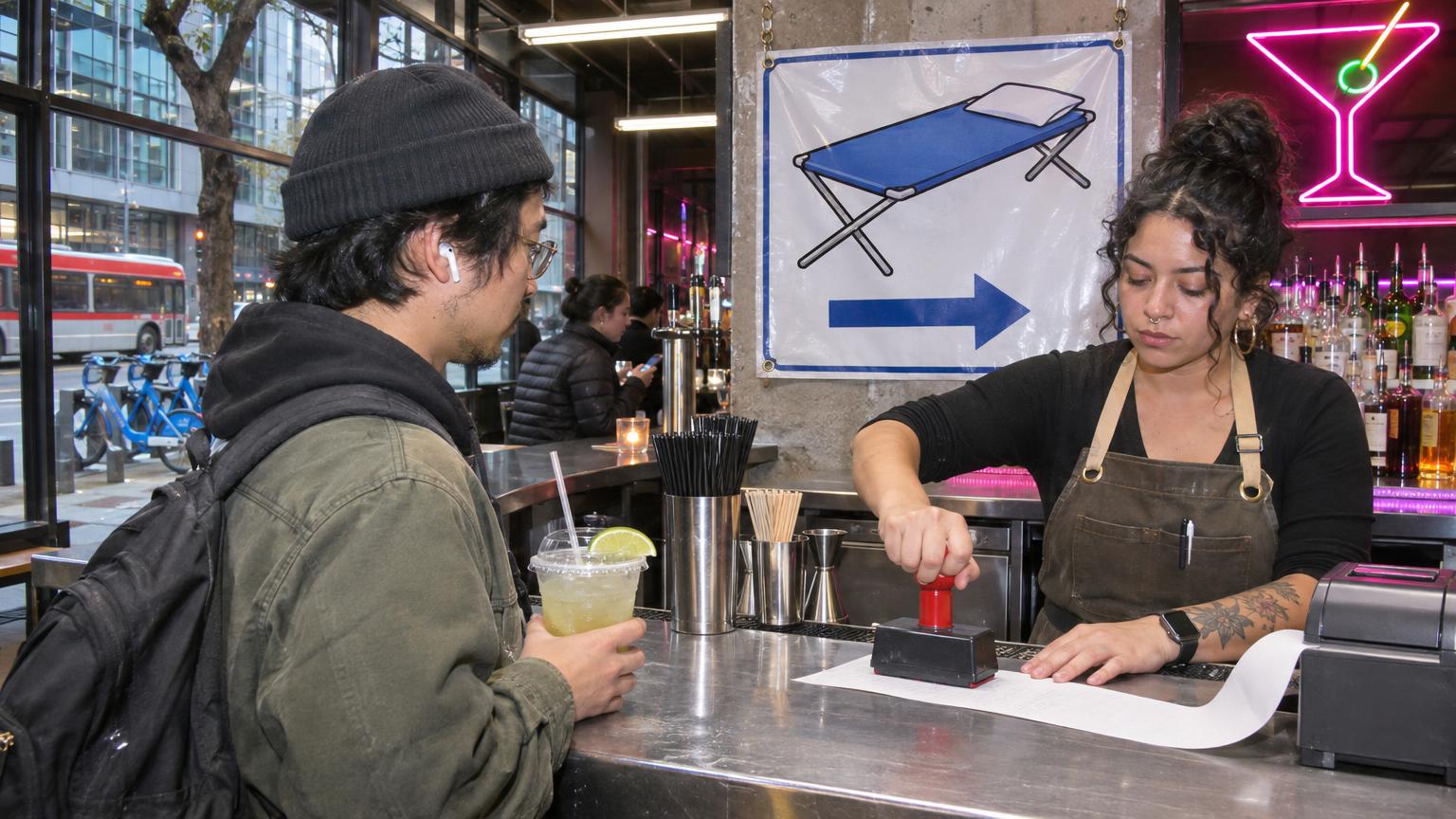
Leasing representatives mark the 340th desk filled in SoMa's recovery.
Residents of the south side of the neighborhood said they had noticed the new tenants mostly as a change in the lunch line. "It's busier at noon now, and I assume that's good," said Marguerite Oyelaran, who has worked a Sixth Street corridor kiosk for nine years. "Nobody has told me what the people upstairs do. I asked one of them. He said the company was in preparation." The Mission Bay submarket, which already houses OpenAI, has tightened further, brokers said, and the southern Financial District is expected to follow.
For and against
Filling SoMa's offices with companies building the technology that emptied them
For
+
Vacancy falls 27.7% and the brochure writes itself
+
Rents are up 11.1% from the lows, which is the number landlords are paid in
+
The lobby at 333 Brannan is lit
against
–
The tenants' stated product is the elimination of the tenants' own category of work
–
Hiring is 340 against 12,000 lost, less than 3%
–
The next quarter's vacancy depends on the next quarter's layoffs, which the tenants are scheduling
A leasing broker who asked that her firm not be named said the recovery would continue for as long as the tenants kept shipping. "The more they automate, the more they need to expand," she said. "And the more they expand, the more space they need to sit in while the thing they built does the job." Asked how many of the 12,000 positions are expected to return, she said the question was outside the scope of the lease.
The technology is designed to automate knowledge work. ■
But seriously…
The joke above is built on a real story. Here's the straight version.