The Great Highway, Forever
Traffic Study Confirms Great Highway Closure Added Exactly Seventeen Seconds To Outer Richmond Commutes
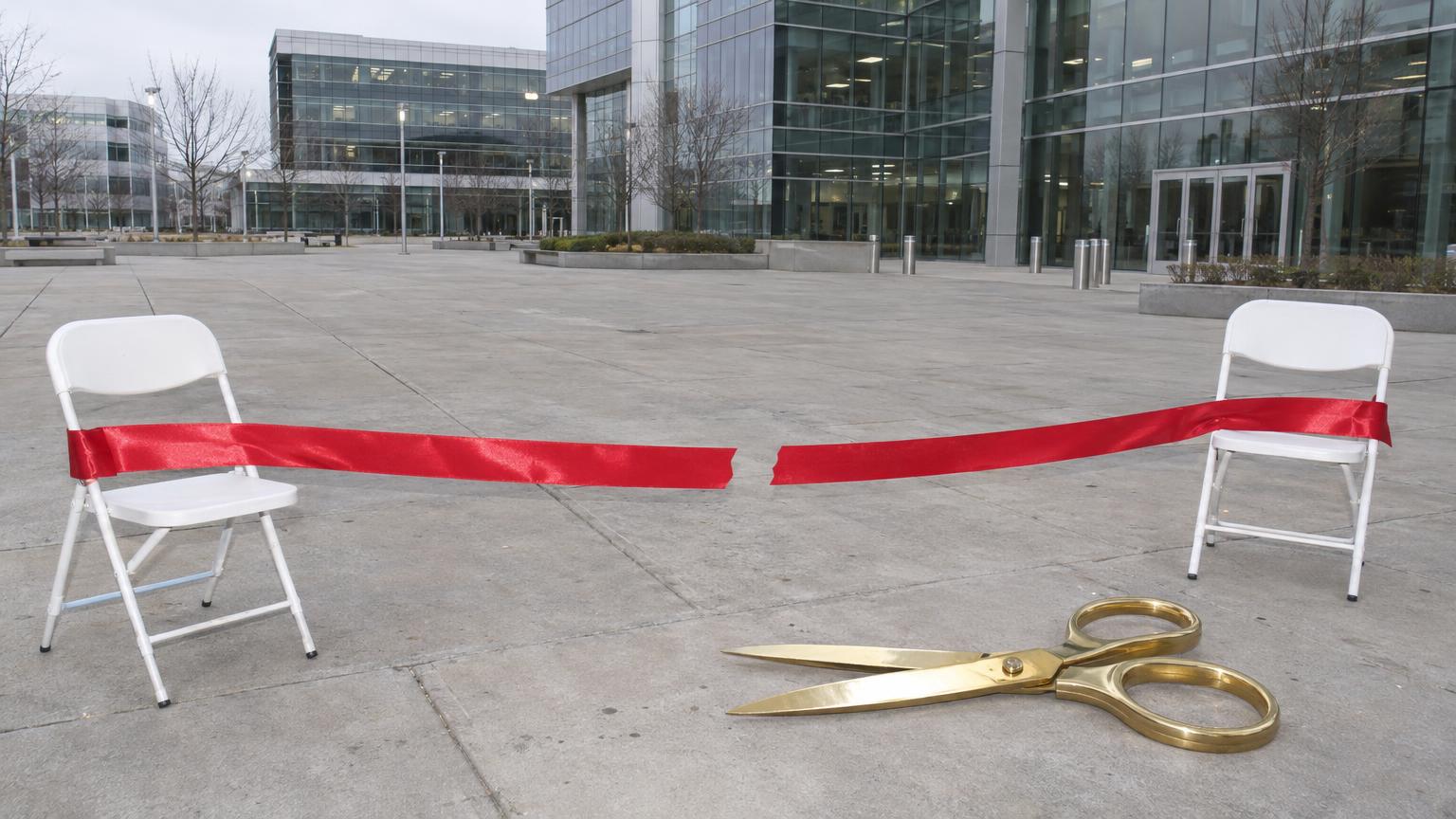
 AI illustration
San Francisco — An eight-month traffic analysis conducted by the SF Chronicle and Here Technologies revealed that closing the Upper Great Highway increased Outer Richmond commutes to the SF Zoo from 16 minutes to 16 minutes and seventeen seconds. Municipal modelers attributed the congestion spike to a combination of speed cameras, traffic calming measures, and el nino tides hitting the seawall.
Comparison
Office of Downtown Vibrancy Re-Baseline, Outer Sunset Corridor
| 2019 Baseline | Current | Office Recovery Claim | |
|---|---|---|---|
| Outer Richmond to SF Zoo, drive time | 16:00 | 16:17 | Recovered 17 seconds (re-baselined) |
| Ocean Beach foot traffic, weekdays | Not counted | Counted | Up 41% from zero |
| Sunset Dunes visits, weekdays | 0 (highway) | Rising | Recovered from 2019 highway |
| Drivers who used the highway in 2019 | All | Unavailable | Excluded from baseline |
Frequently Asked
Office Answers, Frequently
The Office does not use the term statistically significant. The Office uses the term material, which it defines as any figure that can be read aloud at a press briefing without a pause. The Office has never published a figure it could not read aloud.
El Niño is a weather pattern. The Office holds that it is also a traffic calming measure, in the sense that it is slow, unavoidable and produces no parking revenue for the Municipal Transportation Agency.
The question is scheduled for the November ballot as a fourth measure. The Office is preparing the analysis now, in advance, so the answer can be re-baselined against the first.
But seriously…
The joke above is built on a real story. Here's the straight version.
How does a traffic study measure a 17-second delay, and what happens to the Great Highway next?Get the straight answer →