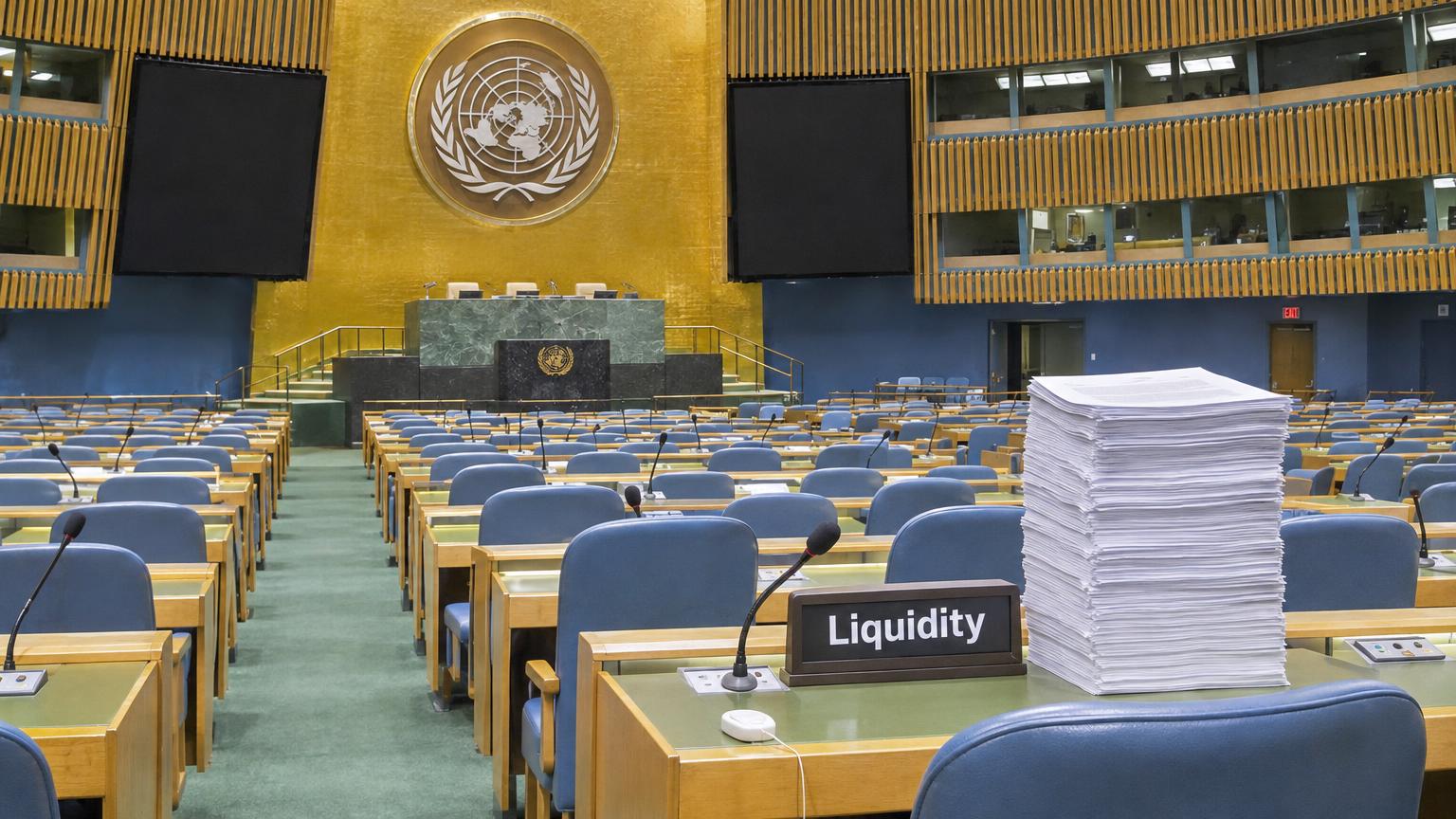
Ambassador Starts to Feel Stupid for Paying UN Dues on Time
 AI illustration
World — An ambassador wondered if paying UN assessments on time was foolish since others don't. A Permanent Representative said the question was procedural and signed the cheque anyway.
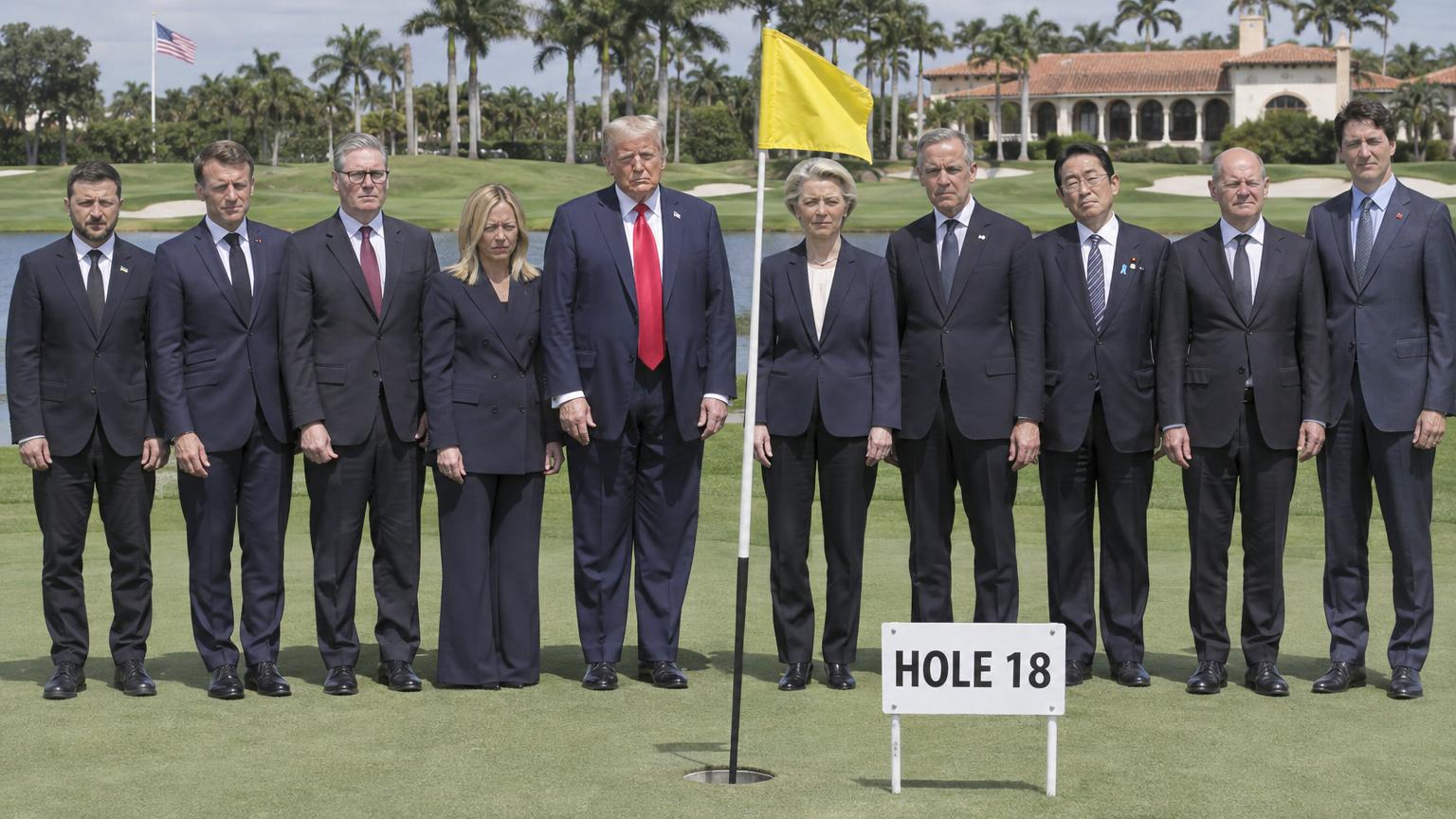
Osric Vandeleur, the Permanent Representative of a delegation this paper does not name, first noticed the problem on the third floor of the Secretariat, where he had gone to collect a copy of the draft assessment schedule. Three delegations had not paid. Two had paid in part. One had paid in full, in 2019, and had since requested a refund of the difference between that payment and what it now owed, which the Office of the Final Communiqué had described as "a matter for the next session." Vandeleur, who has stood at the left edge of every summit family photo since 1975, did the arithmetic on the back of a conference programme. His own delegation had paid on time for forty-one consecutive years. He asked the Fifth Committee a procedural question: whether a Member State that pays its share in full is entitled to any acknowledgment that it did so.
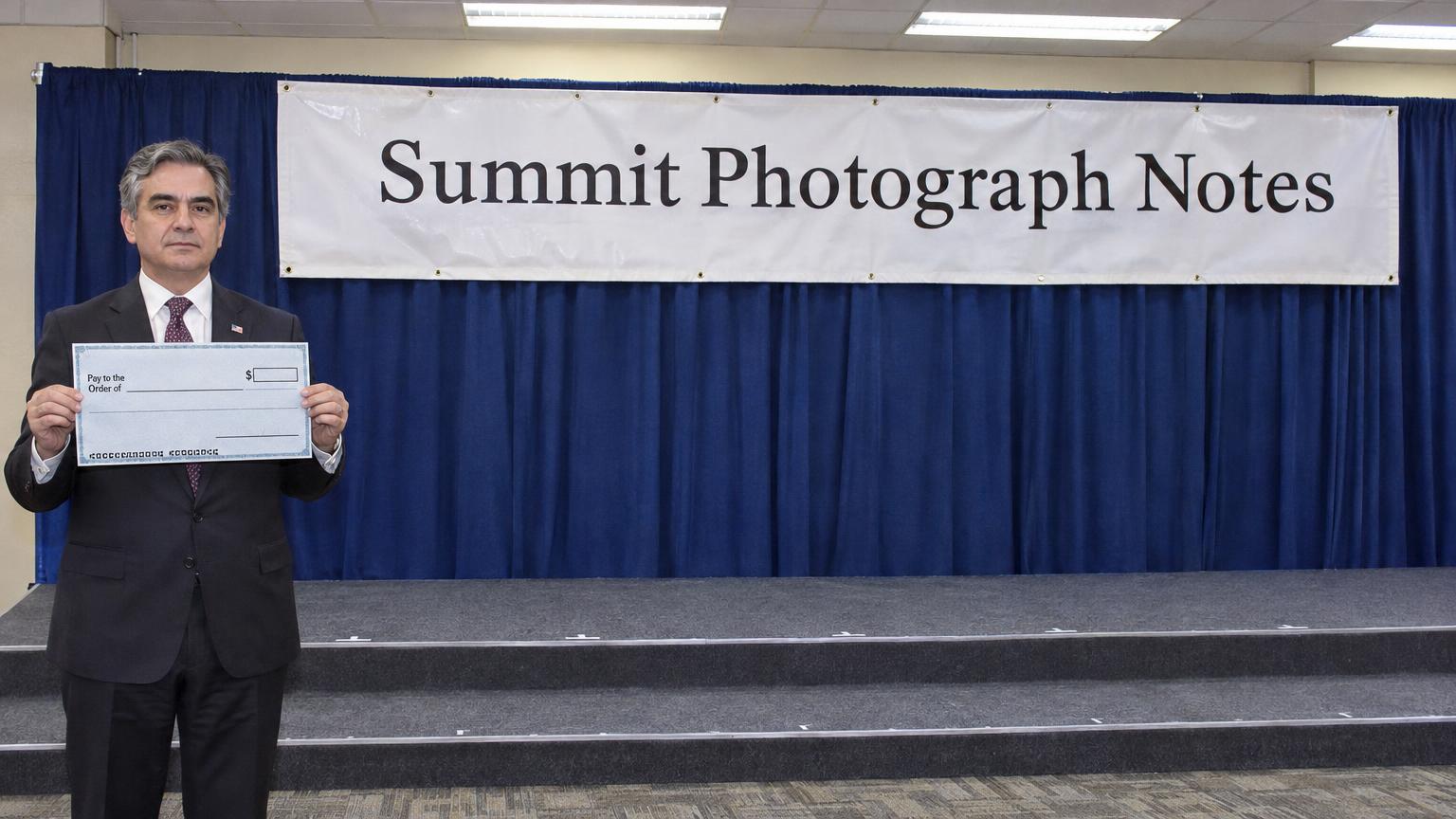
The question was received in silence, which the committee's rules treat as an objection in principle. Vandeleur then signed the cheque anyway. "I was not asking for anything," he said in a corridor at First Avenue. "I was asking what the procedure was, and the procedure is that the cheque goes out."
The committee's minutes, circulated Thursday to the 193 members, record the exchange in full. The minutes will say he was procedural.
According to the UN's own tally, 145 of the organisation's 193 members had paid their regular budget assessments in full by December 1, a figure the Secretariat describes as "encouraging" in the same release that describes the remaining 48 as "engaged." The Office of the Final Communiqué, which drafts closing statements before summits open, has not yet decided how to characterise the shortfall. A spokesperson said the matter is being handled "at the right altitude," then declined to specify the altitude.
Vandeleur's question, the Office argues, was not only procedural but structurally unhelpful. Its drafting cycle depends on the assumption that no delegation will ask what a payment achieves, and that the answer will be generated by consensus before anyone wonders. A delegation that pays on time and then asks what it bought has, in the words of an unnamed committee aide, "opened the drawer."
The aide added that the drawer is now being reviewed by a working group, whose terms of reference were circulated in a document marked for internal use only.
“I was not asking for anything. I was asking what the procedure was, and the procedure is that the cheque goes out.”
The working group is expected to report before the next assessment cycle. Delegations that have already paid have been asked, through their missions, to refrain from further questions while the procedure is reviewed. Vandeleur's mission declined to comment on the review, and on whether it intends to request the refund that the cheque, if read literally, entitles it to. The minutes will say he was procedural. ■