
Wilmington Plans to Cap I-95 With a Park and Pledge It Will Never Again Build Highways Through Houses
City planners are studying a park built over Interstate 95 to "reconnect" the West Side, a highway that displaced 926 families and demolished 25 blocks. The proposal, which the city describes as a healing measure, has been reviewed by the same kind of process that approved the highway in 1957, which the report says also happened "seemingly out of the blue."
City Unveils Plan to Heal West Side by Placing New Park Atop Old Highway
WILMINGTON — City planners unveiled a proposal Tuesday to build a park on top of Interstate 95, the highway that displaced 926 families and demolished 25 blocks of the West Side, describing the project as a way to "reconnect" the neighborhood. Officials said the park would restore continuity between the two sides of the highway, which has divided the community since construction began in 1957. Planners said the highway itself would remain in place beneath the park, a configuration they called "the most respectful option available." Lead planner Corinne Vashti, the city's Senior Associate Director for Restorative Infrastructure, said the proposal reflects months of listening. "We heard from residents that they want to feel whole again," Vashti said at a briefing at City Hall. "A park is how you become whole. The highway is simply the foundation of the park."
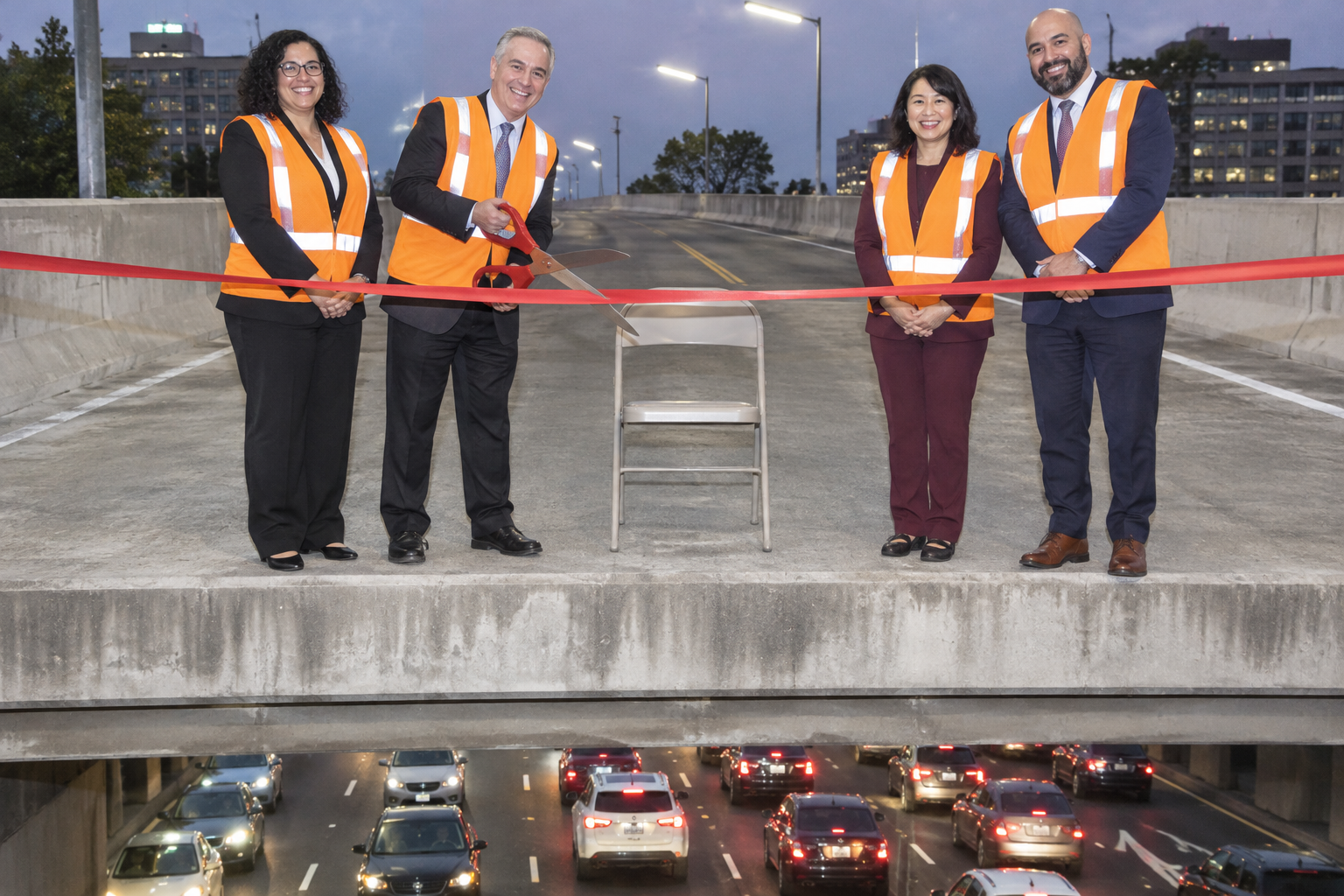
Officials gather on the overpass for the groundbreaking of the new park, which will sit directly above the existing highway.
Residents Ask Why the Highway Was Not Simply Not Built
At a public comment session held in a gymnasium on Dekalb Street, several longtime residents asked the obvious question. "Why is the answer another structure on top of the same wound?" asked Harold Greer, 71, whose family lived on Fifth Avenue before the bulldozers arrived. Planners responded that the highway was "a decision made under different circumstances," and that the park represents "the community's chance to take ownership." Asked whether residents would be consulted on the highway, Vashti said the city would "keep all options open," adding that comments could be submitted by 2031. The city has committed to a public process, which it described as comparable in scope to the one that approved the original route in 1957. The earlier process, which the council conducted without a public hearing, was funded by the federal government at 90 percent.
How the Park Was Developed
West Side Grows Together Adds Murals to Bridges
Meanwhile, the West Side Grows Together community group has painted murals reading "United" and "Unidos" across the Sixth through Tenth Street bridges, which will be closed to traffic for the duration of the painting. Group coordinator Denise Achebe said the murals were "a gesture of solidarity" with the park initiative. Traffic on the affected bridges will be rerouted onto I-95, which is expected to remain open beneath the park during construction.
Cost Estimates Remain Pending
A spokesperson for the Department of Public Works said Thursday that the project's cost estimate will be released once the design is finalized. Asked when that would be, the spokesperson said the department was "awaiting the completion of the environmental review and the approval of a new highway, which will be needed to carry the traffic that the park will not carry." Cost estimates are pending, pending the approval of a new highway.