Poisonal
Pass it along a thing worth keeping

Four School Districts Serving One City Deemed 'Insufficient Chaos,' Propose Merging Into Single Chaotic District

Redding Consortium discovers that when 11,000 students attend 40 schools under 18 governing bodies, the problem might be organizational rather than just racial and economic

1 year ago • 8 min read

Protect Your Capital During High Inflation Market Volatility

Protect Your Capital During High Inflation Market Volatility

Evolution Of The Market Crash

Interpret Market Signals Through The Lens Of Economic History

Interpret Market Signals Through The Lens Of Economic History

Navigate The Legal Landscape Of Brokerage Account Obligations

Navigate The Legal Landscape Of Brokerage Account Obligations

How To Panic Sell Like A Pro

How To Panic Sell Like A Pro

A Stock Exchange Is Just A Matching Engine For Promises

A Stock Exchange Is Just A Matching Engine For Promises

the difference between gambling and investing

the difference between gambling and investing

Is Your Algorithm Actually Smarter Than You?

Is Your Algorithm Actually Smarter Than You?

how panic selling destroys your portfolio

how panic selling destroys your portfolio
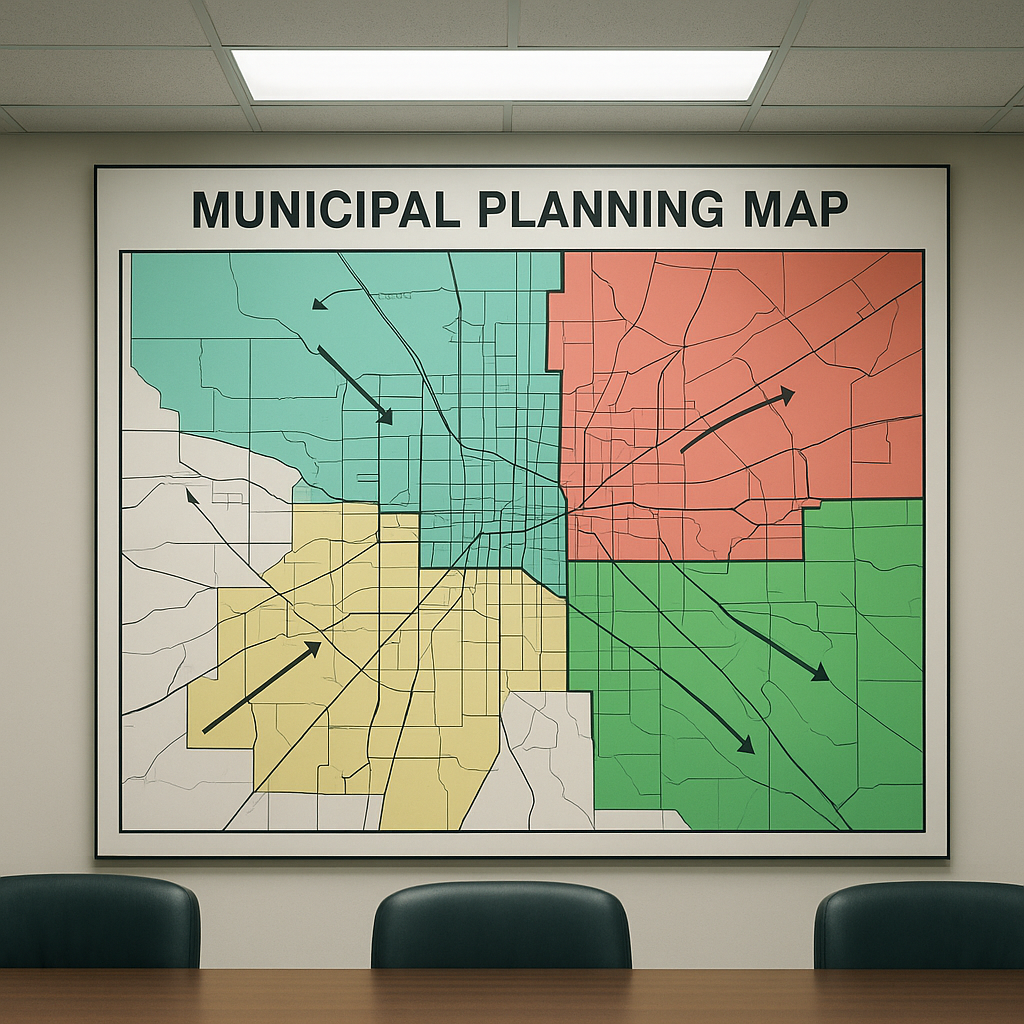
Municipal map showing Wilmington divided into four school districts with overlapping boundaries

Current Educational Service Delivery Model - Four Districts, One City

The Clerk Who Saw The Ticker Tape Bleed In 1929

The Clerk Who Saw The Ticker Tape Bleed In 1929

Behind the minor & major

Behind the minor & major

Anya's performance tightrope

Anya's performance tightrope

Safety vs. speed: the Java GC choice

Chat with a GC tuning pro

Chat with a GC tuning pro

Comparison

Data Center Geography

InterpretationBehaviorOutcome
Imposter ReactionLuck or deceptionOverwork or hidingStress and avoidance
Healthy Self-AssessmentSkill and effortAsk for feedbackGrowth and realistic goals

The Cloud Infrastructure Evolution

🏢1960s–1970s
The Mainframe Era
Computing lived in climate-controlled rooms the size of apartments. Organizations bought or leased massive machines from IBM and others, then hired teams just to keep them running. Data was centralized but access was not—you submitted punch cards and waited for printouts. The mythology didn't exist yet because the infrastructure was aggressively, unmistakably physical.
🖥️1990s
Server Farms and the Rise of Distribution
The internet made decentralized computing viable. Companies started building server farms—entire buildings filled with commodity machines instead of one monolithic system. This fragmentation created the first real infrastructure abstraction: you didn't need to know which physical box hosted your data anymore. The mythology began here: machines became anonymous, interchangeable, distributed.
☁️2000s
Hyperscale Data Centers and the Cloud Concept
Cloud computing platforms—AWS (2006), Azure, Google Cloud—abstracted away the entire infrastructure layer. Users uploaded code and data to mysteriously located facilities, then forgot about the physical reality. The word 'cloud' was a marketing masterstroke: it rebranded distant, expensive server farms as something ethereal and borderless. In truth, your data still lived in a concrete building, but now you paid per use and never saw it.
🌐2010s–Present
Edge Computing and the Collapse of Distance
As latency mattered—for autonomous vehicles, real-time gaming, IoT devices—the single cloud became insufficient. Computation moved to the network edge: smaller, distributed nodes closer to end users. The mythology inverted: the cloud was never one place, and now it's deliberately shattered across millions of locations. Infrastructure became truly invisible because it was everywhere and nowhere at once.

The Real Estate Economics

The Real Estate Economics

More from The Triangle