Poisonal
Pass it along a thing worth keeping

Colorado's Big Rains Barely Ease Drought, Mostly Just Flood Things

Torrential rainfall that flooded roads, homes and trails across the Denver metro area over the weekend reduced Colorado's drought severity by 0.8 percent, according to data released Wednesday by the National Drought Mitigation Center. State hydrologists confirmed the storms delivered enough water to submerge infrastructure and strand motorists but "not quite enough" to meaningfully affect reservoir levels or groundwater tables.

2 months ago • 8 min read
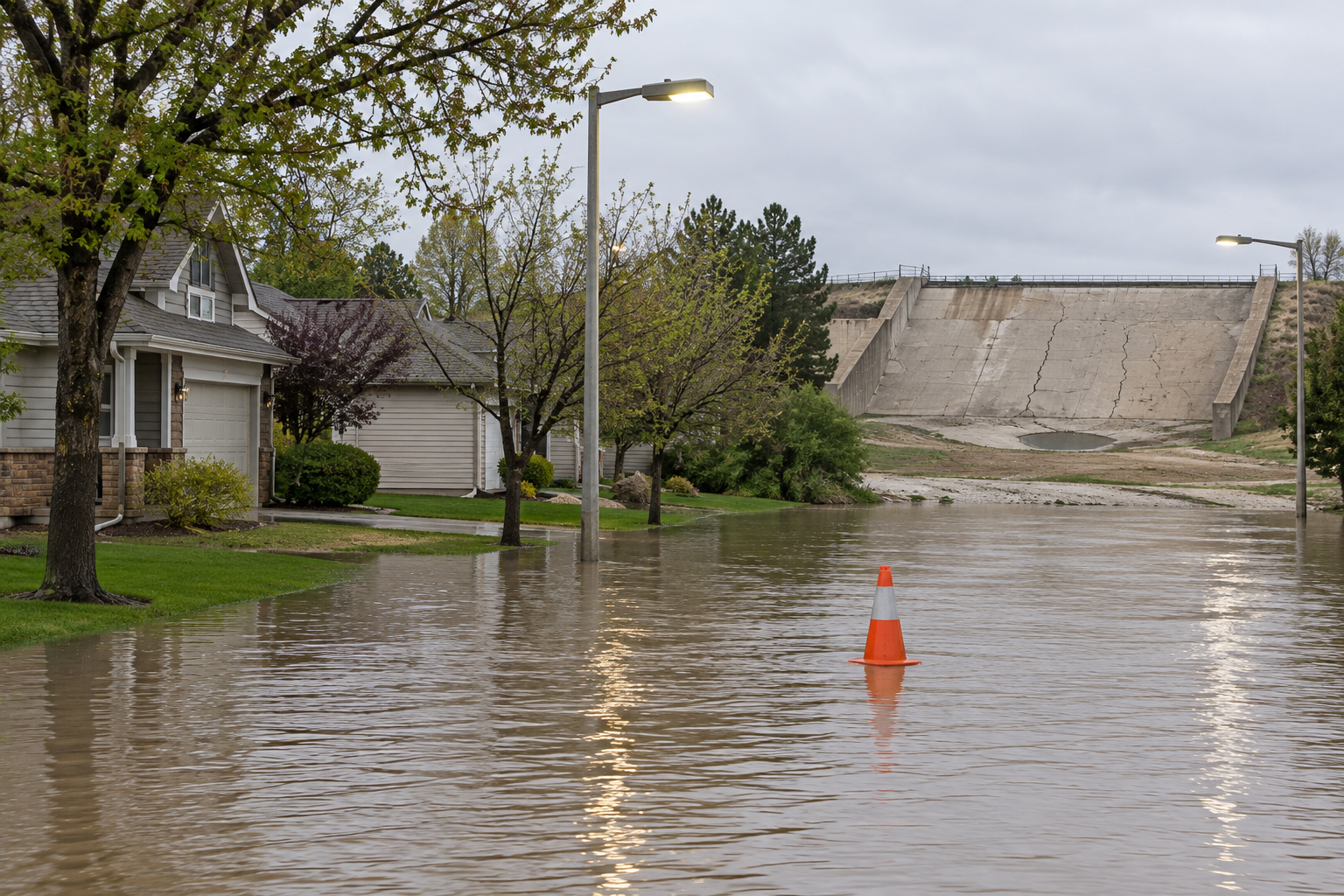
Weekend Storms Flood Denver Metro, Drought Barely Moves

Torrential rainfall that flooded roads, homes and trails across the Denver metro area over the weekend reduced Colorado's drought severity by 0.8 percent, according to data released Wednesday by the National Drought Mitigation Center. Residents in the Denver metro woke Monday to standing water in basements, a closed stretch of Clear Creek trail, and a stranded motorist on Colfax who, according to a Denver Fire Department dispatcher, declined to be rescued until the water receded. The water that drowned the Colfax underpass was, by any meteorological measure, enormous. The water that was supposed to reach the reservoirs was, by the same measure, not quite enough. The storm delivered more than enough water to take out roads and homes in the Denver metro, and not quite enough to matter to the drought.

Drought Relief
0.8%
Reduction in Colorado drought severity after the weekend storms
A reduction of 0.8 percent is the state's entire drought response to a weekend that closed highways and flooded homes. State hydrologists described the result as not quite enough to meaningfully affect reservoir levels or groundwater tables.
Roughly the amount of water a single well-run lawn sprinkler applies over an afternoon, spread across the entire state.
National Drought Mitigation Center, data released Wednesday
Flood water covers a Denver street while a floating traffic cone drifts past a dry concrete spillway in the background.

The water reached the living room. It did not reach the reservoir.

Where the Weekend Water Went

Share of storm impact by destination, as described by state hydrologists
Roads and underpasses
Closed or flooded
46 %
Homes and basements
Damaged or inundated
34 %
Trails and parks
Washed out in places
14 %
Reservoir levels
Not quite enough
4 %
Groundwater tables
Not quite enough
2 %
010203040
%—Percent of total
Hydrologist read
Nearly all of the storm's force landed on roads, basements and trails. The reservoirs and groundwater tables, the two places the drought actually lives, received the leftovers.
Quotation

Not quite enough.”

State hydrologists
Assessment of the weekend storms, released with the drought data
The phrasing does the damage: a storm strong enough to close the Colfax underpass is assessed only in terms of what it failed to deliver to the reservoirs.

Officials Call It a Normal Outcome

The National Drought Mitigation Center, which tracks the state's drought conditions weekly, reported the 0.8 percent improvement without comment on the flooding that accompanied it. Hydrologists confirmed the storms left reservoir levels and groundwater tables essentially where they were before the rain began. Asked whether the storms could be described as a success for the drought, one state hydrologist said the rain had been significant in its own right and declined to elaborate on which right that was. Colorado remains in severe drought. The rain that flooded the metro area over three days did not change that status, and the state has not indicated when, or whether, the water that closed the roads will be redirected to the places it was meant to reach.

Forecast

Hydrologists noted that the next storm system may also flood roads without helping. Colorado remains in severe drought. The state will likely be underwater again before it is any wetter.

More from Denver Metro