Poisonal
Pass it along a thing worth keeping

Boston Subway Fare Now Officially 1.21% of Average Daily Wages, Agency Says

A new study found that a $2.40 subway ride represents just 1.21 percent of the average Boston daily wage, a figure the transit agency presented as evidence that riders are doing fine. Officials said the number had been calculated by comparing the fare to the cost of a cup of coffee, which they described as the appropriate benchmark. Commuters who spend more than 1.21 percent of their wages on the train are reminded that the percentage is an average, and averages do not account for the individual.
9 days ago • 8 min read

The figure was produced by the agency's Office of Rider Perception, which divided the $2.40 base fare by the average Boston daily wage, rounded to the second decimal, and then held a briefing to announce the result. "One point two one percent is, by any reasonable standard, a small number," said Gerald Voss, a Senior Fare Equity Analyst, standing beside a poster board on the second floor at 10 Park Plaza. "We have taken the decision to let it speak for itself, which is why I am now going to speak for it for forty minutes." Voss said the agency considers the study fare affordability research of the highest rigor, having been reviewed by the agency's own Office of Rider Perception.

Fare Burden
1.21%
of an average Boston daily wage, the share the agency says a $2.40 subway ride represents
The agency calls it proof riders are doing fine. A percentage of an average describes the person in the middle, and the agency's own study did not interview the person in the middle, or anyone.
Transit agency fare study, as presented to reporters

To make the figure legible to the public, the agency compared the fare to the price of a cup of coffee, which Voss described as the only benchmark the study considered. The coffee in question was a single 12-ounce latte, selected by a four-person working group from a menu of eleven at a café across from the agency's headquarters. "We tried the drip," Voss said. "At drip prices, the fare looked high. We thought it was important not to confuse people." The latte was ratified as the appropriate benchmark at a closed meeting Tuesday. The drip was not discussed.

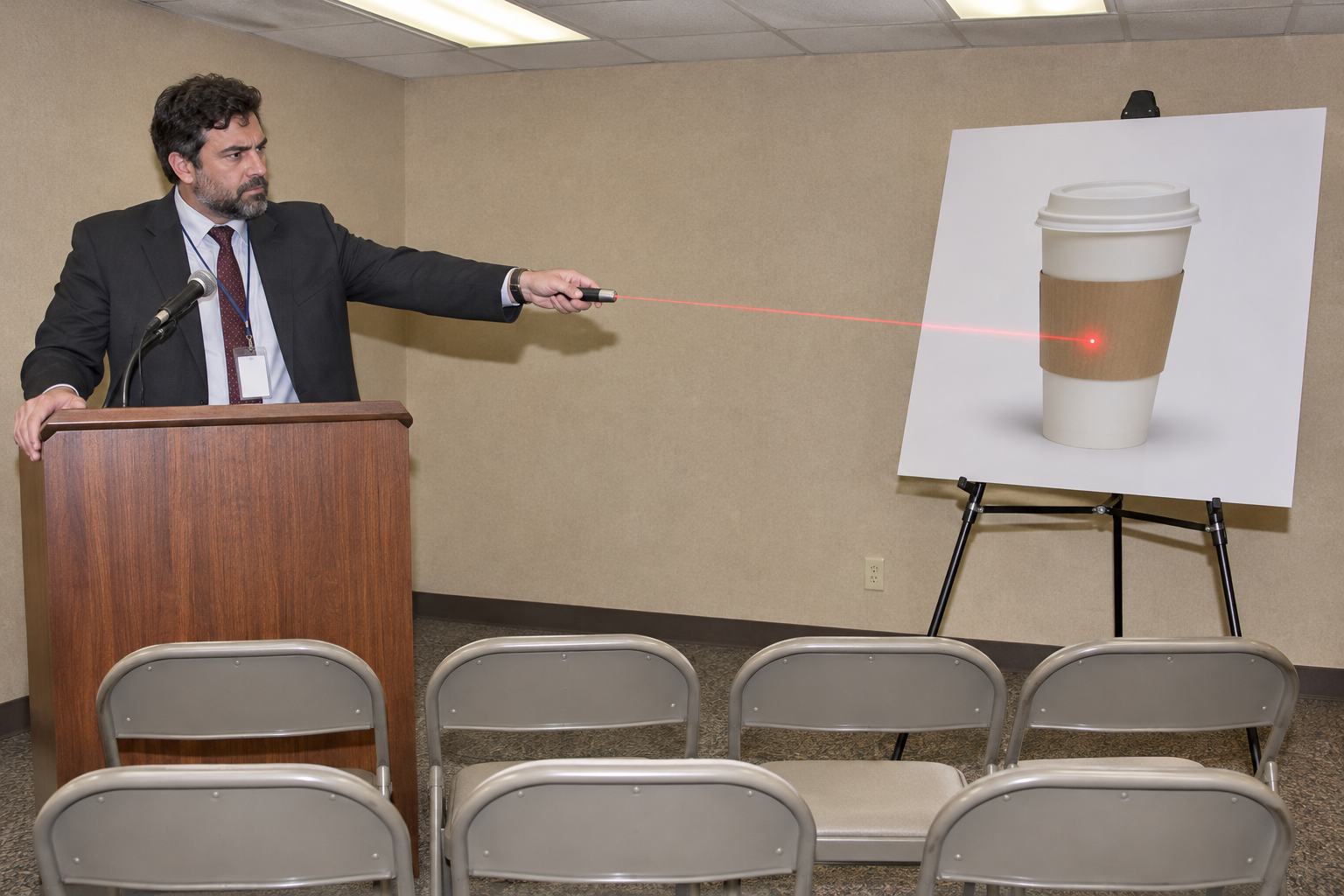
An analyst points a laser pointer at one paper latte cup on a poster-board easel in an empty conference room.

The benchmark, shown to reporters, was not the drip.

Asked about riders who earn less than the average, Voss said the study already accounts for them. "That is what an average is," he said. "It contains everyone." Dolores Fennimore, 41, who rides the Orange Line to a part-time job in Malden, said she has read the study twice and cannot find where she is in it. "I did the math on my own paycheck," she said. "It's not 1.21 percent. I'd like to be told which average I'm supposed to be." Voss said he understood her frustration, then said the study had found her to be fine.

The agency has added a footnote to the study reminding commuters who spend more than 1.21 percent of their wages on the train that the percentage is an average, and averages do not account for the individual. The footnote was drafted after the briefing. The fare is $2.40.

More from Boston Metro