Poisonal
Pass it along a thing worth keeping

Baltimore Seeks Larger Transit District to Ensure Downtown Developers Get Priorities

City officials announced a plan to merge Baltimore's transit operations into Maryland's largest regional district, a move they say will increase downtown development funding. Transit advocates questioned whether riders on late, crowded buses would benefit, prompting clarification that the restructuring targets infrastructure funding for development corridors, not service improvements.
19 days ago • 8 min read

Route 22 Reclassified

Under the draft, bus routes outside downtown would be moved into a capital budget line, according to a document reviewed by this newspaper. Route 22, which runs from Edmondson Avenue to Harbor East, is listed as a growth vector. Route 22 will stop only where a crane is already standing. The Maryland Transit Administration has acknowledged crowding on several Baltimore routes and late arrivals during evening peak hours. Riders waiting at the Lexington Market stop said they had stopped checking arrival times and started checking the cranes.

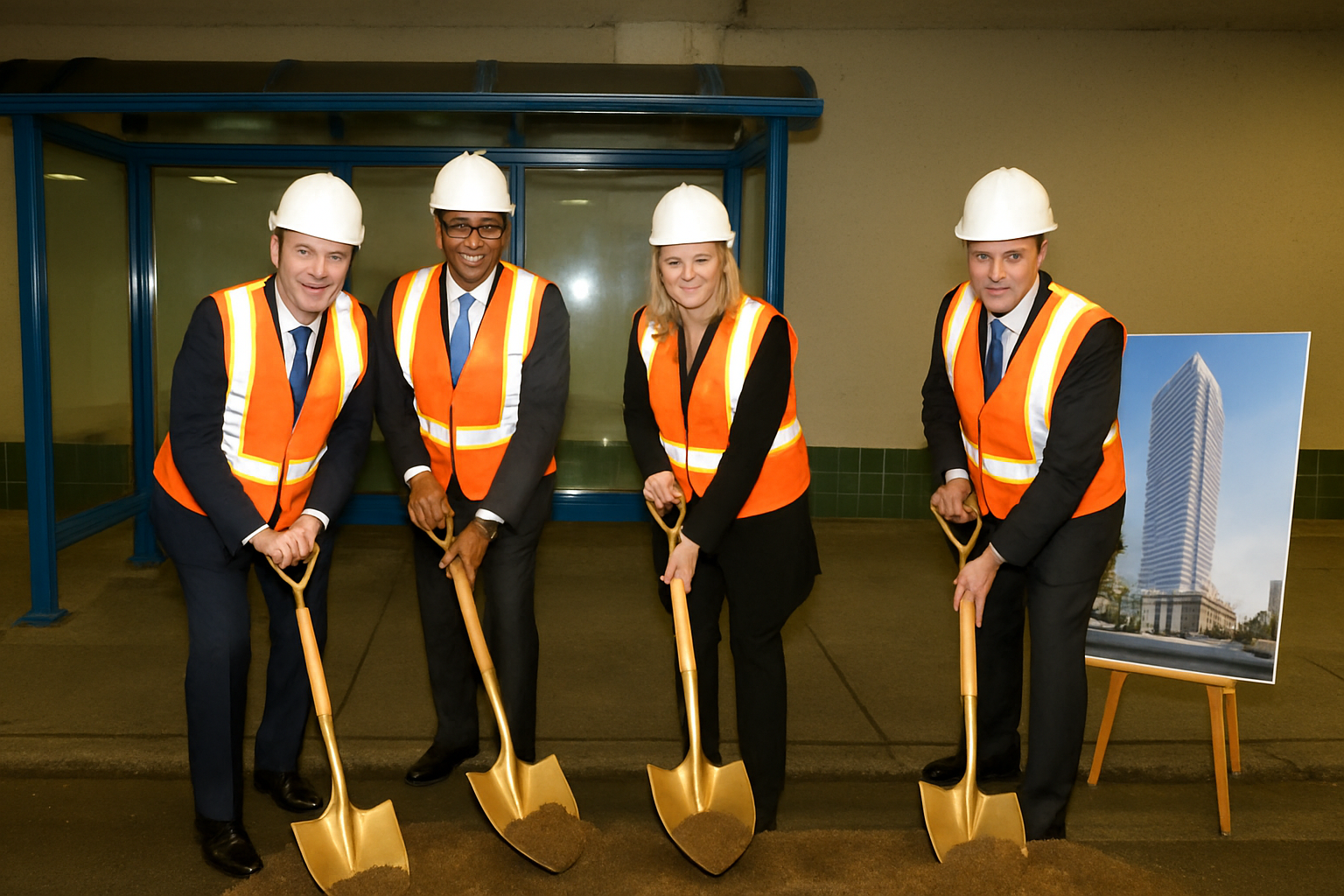
Four officials in hard hats break ground beside an empty bus shelter, with a condominium tower rendering on an easel behind them.

Groundbreaking for a bus shelter, beside a condominium rendering.

Frequently Asked

Downtown Transit Consolidation: Frequently Asked Questions

Frequency is measured per corridor, and Route 22 is now part of the Harbor East Growth Corridor under corridor-based performance measurement. By that measure, frequency on the 22 has never been higher.
The increase applies to riders outside development zones, where fare elasticity is lowest. Riders outside the zones will pay the increase, which the plan describes as a contribution.
The corridors, according to the plan’s stakeholder engagement framework. Riders are listed as a stakeholder category in Section 4, which runs one sentence.

Budget Justifications

Budget documents from earlier regional transit projects follow the same sequence. The Red Line’s $96 million in first-phase funding was classified as development-adjacent, and the Purple Line and MARC expansions were justified in the same format, with station-area parcels listed ahead of ridership. The draft’s 11 percent fare increase falls hardest on riders outside the development zones, and the draft describes the reclassification as a capital budget adjustment. In the budget justifications, ridership appears after parcel counts.

Quotation

The plan requires no new operating funding. It requires the existing operating funding to be pointed at the corridors.”

Corinne Vasquez-Hale, Development Director, Downtown Corridor Office

More from Baltimore Metro